





Product Details
| Product Name: L-Lysine L-glutamate | CAS No.: 5408-52-6 |
| EC-No.: 226-474-0 | Min. Order: 1kg |
| Purity: 98%min | Supply Ability: 500kgs |
| Release date: 2025/12/16 | |
| Type: SZ01 |
L-Lysine L-glutamate Cas 5408-52-6
Specification
Items | Specification |
Product name | L-Lysine L-glutamate |
CAS# | 5408-52-6 |
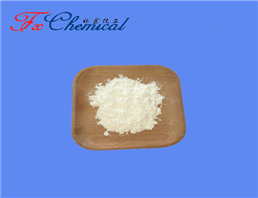
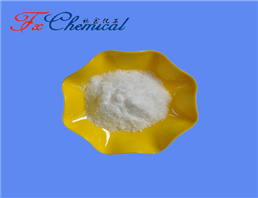
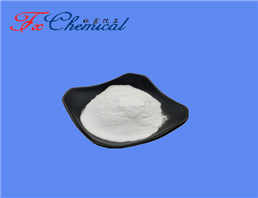
Appearance | White to off-white powder |
Assay | ≥98% |
Molecular Formula | C11H23N3O6 |
Molecular weight | 293.32 |
EINECS | 226-474-0 |
Welcome to contact with us to get more information.
In a Nutshell
L-Lysine L-glutamate is a stable salt compound formed when the essential amino acid L-Lysine is bonded with the non-essential amino acid L-Glutamic acid. It is commonly used in dietary supplements, food fortification, and pharmaceutical preparations.
Detailed Breakdown
To understand it fully, let's break down its components and why they are combined.
1. The Components:
L-Lysine: This is an essential amino acid, meaning the human body cannot produce it on its own; it must be obtained through diet (e.g., meat, fish, dairy, legumes). It is crucial for:
Protein synthesis and tissue repair.
Calcium absorption.
Producing collagen, enzymes, and hormones.
Supporting immune function.
L-Glutamic Acid (or Glutamate): This is a non-essential amino acid, meaning the body can produce it. It plays vital roles as:
A key neurotransmitter in the central nervous system.
A building block for protein synthesis.
A critical fuel source for cells in the gut and immune system.
2. Why Combine Them into a Salt?
Combining these two amino acids into a single molecule (a salt) offers several practical advantages:
Improved Stability: The salt form is more stable and less hygroscopic (absorbs less moisture from the air) than pure L-Lysine alone. This makes it much easier to handle, store, and manufacture into solid-dose forms like tablets and capsules.
Enhanced Solubility: The compound is highly soluble in water, which is beneficial for its absorption in the body and for use in liquid formulations.
Neutral pH: Pure L-Lysine is basic, while Glutamic acid is acidic. When combined, they form a salt that is closer to neutral, which can be gentler on the stomach and more suitable for various applications.
Better Bioavailability: The compound readily dissociates (splits apart) in the digestive system, making both L-Lysine and Glutamate available for absorption and use by the body.
Common Uses and Applications
Dietary Supplements: This is its most common use.
Cold Sore Treatment/Prevention: L-Lysine is widely supplemented for its potential to reduce the frequency and severity of cold sores caused by the herpes simplex virus (HSV). The glutamate salt form is a popular way to deliver a high dose of L-Lysine.
General Health: Used as a convenient source of amino acids to support protein synthesis, muscle recovery, and overall wellness.
Food Industry (Fortification):
It is used as a flavor enhancer and a source of lysine to boost the protein quality of certain foods. Lysine is often the limiting amino acid in cereal grains (e.g., wheat, rice), so adding it can create a more "complete" protein profile.
Pharmaceuticals:
Used as an excipient (an inactive ingredient that serves as a carrier or stabilizer) for active pharmaceutical ingredients, particularly those that are acidic.
Key Benefits (Why Take It?)
The primary benefit of taking L-Lysine L-glutamate is to supplement L-Lysine. The glutamate portion acts as an effective carrier but is not the main active ingredient for most supplement purposes.
The potential benefits are those associated with L-Lysine supplementation:
Supports Immune Health: May help manage herpes simplex virus outbreaks.
Promotes Collagen Production: Important for skin, hair, nails, and connective tissues.
Aids in Calcium Absorption: Can be beneficial for bone health.
Safety and Considerations
Generally Recognized as Safe (GRAS): It is considered safe for consumption at recommended doses.
Dosage: Typical supplemental doses for L-Lysine range from 500 mg to 3,000 mg per day. It's always best to follow product labels or a healthcare provider's advice.
Side Effects: High doses (over 10-15 grams per day) may cause stomach discomfort, nausea, or diarrhea.
Interactions: People with kidney or liver disease should consult a doctor before taking high doses of amino acids. L-Lysine can interact with certain medications, like calcium supplements and antibiotics.
Summary
L-Lysine L-glutamate is not a new molecule but a clever and practical way to deliver the beneficial amino acid L-Lysine. By bonding it with L-Glutamate, manufacturers create a stable, soluble, and well-tolerated form that is ideal for use in supplements, food products, and medicines. When you take it, your body efficiently absorbs both components.
Packages

Delivery

Payment term
* Wire Transfer/Telegraphic Transfer
* Western Union
* MoneyGram
* L/C
Contact information
Spring Zhang
Email: export@fortunachem.com
Skype: Fortunachem201304
QQ:3169620873
Tel: +86-27-59207892
Website: www.fortunachem.com
Company Profile Introduction
You may like
Recommended supplier
| Product name | Price | Suppliers | Update time | |
|---|---|---|---|---|
| $0.00/25KG |
VIP6Y
|
Sichuan Zhuoyu Yantang Technology Co., Ltd.
|
2024-10-22 | |
| $0.00/1Kg/Bag |
VIP5Y
|
Sinoway Industrial co., ltd.
|
2024-07-08 | |
| $/ |
VIP5Y
|
RongNa Biotechnology Co.,Ltd
|
2025-04-29 | |
| $10.00/10Kg/Bag |
Wuhan Demeikai Biotechnology Co., Ltd
|
2021-12-21 | ||
| $100.00/1KG |
VIP8Y
|
Career Henan Chemical Co
|
2018-07-27 |

 China
China- Since: 2006-04-03
- Address: Room 2015, No.2 Building Kaixin Mansion, No.107 Jinqiao Ave, Wuhan, China
+8613986145403
info@fortunachem.com