


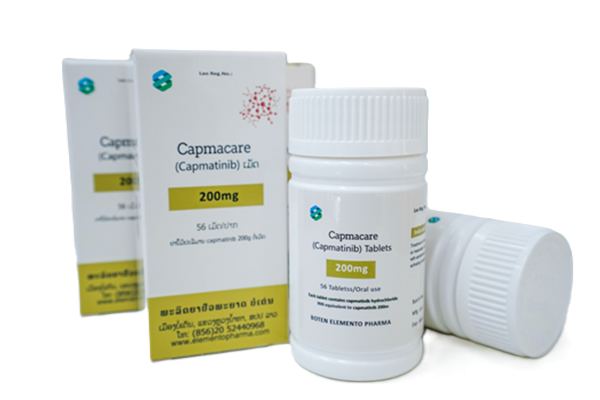
Can Capmatinib treat non-small cell lung cancer (NSCLC) in adults ?
Capmatinib is an FDA-approved targeted drug for the treatment of adult patients with non-small cell lung cancer(NSCLC).
Nov 8,2023 Drugs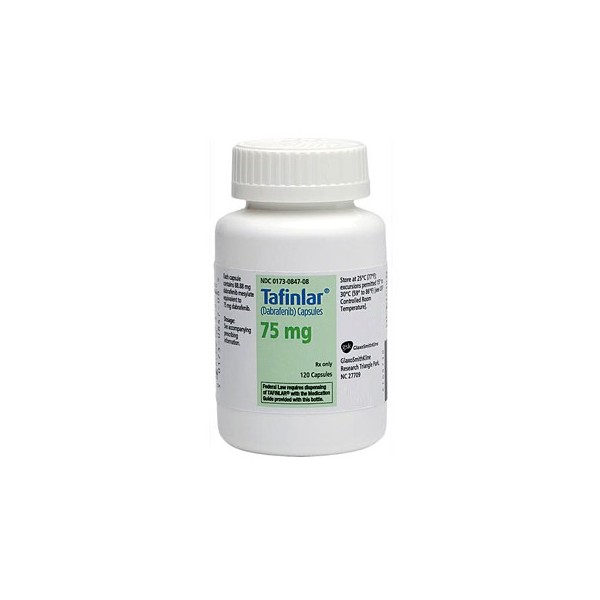
What cancers can Dabrafenib Mesylate treat?
Dabrafenib mesylate in combination with trametinib dimethyl sulfoxide is used to treat cancer patients with a certain BRAF gene mutation, such as: Treating undifferentiated thyroid cancer that is loca
Nov 7,2023 Drugs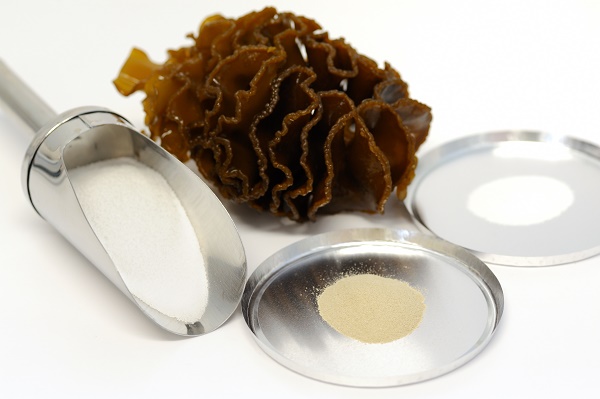
The benefits, chemical property, and toxicity of Fucoidan
Fucoidan has been used as a medicinal nutritional supplement in Asia for a long time due to its medicinal characteristics, including anti-cancer action.
Nov 7,2023 Biochemical Engineering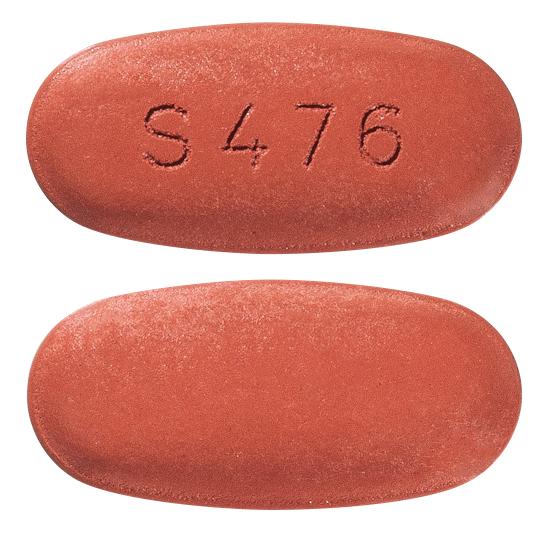
The Pharmacokinetics and toxicity of Mesalazine
Mesalazine is a medication commonly used for the treatment of inflammatory bowel disease. Over the years, there has been significant research on the toxicity and pharmacokinetics of this drug.
Nov 7,2023 API
A useful anti-inflammatory agent: Mesalazine
Mesalazine is an anti-inflammatory agent, structurally related to salicylates, which is active in inflammatory bowel disease.
Nov 7,2023 API
The rising star of the beauty industry——Polyglutamic acid
Polyglutamic acid (PGA) is a humectant and powerful hydrator that can attract moisture and seal it in. It is made up of a group of glutamic acid molecules.
Nov 6,2023 Biochemical Engineering
The applications and side effects of Entecavir
Entecavir is an analog of 2′-deoxyguanosine. This compound is approved for the treatment of hepatitis B infection with compensated or decompensated liver disease in adults.
Nov 6,2023 API
Stanolone: biochemistry, physiology, and clinical implications
Stanolone, synthesized via SRD5A, has diverse clinical applications in hormone-related disorders and cancer treatment.
Nov 6,2023 API
NADP, Disodium Salt: physiological role, activities and applications
NADP, Disodium Salt is a vital coenzyme in cellular metabolism, redox reactions, and gene expression regulation with promising therapeutic potential.
Nov 6,2023 API
The catalytic properties of Tetrabutyl titanate
Tetrabutyl titanate is commonly used as a catalyst. It is able to improve the adhesion of coatings, rubber, and plastics to metal surfaces.
Nov 6,2023 Organic reagents