


From early AD to mid-19 century, people mainly use the natural organic substance (such as animal and plant extracts) for qualitative analysis or quantitative analysis. From the second half of the 19th century to the 1920s, it had begun to appear of artificially synthetic organic reagent such as using potassium acetate xanthan for test of nickel, copper, and molybdenum; using morin for test of aluminum; using diazo coupling reaction for the detection of Nitrite; using α-β-nitroso naphthol for detection of cobalt; using dimethyglyoxime for nickel test. After the proposal of the special-effects group in the 1930s and the proposal of theoretical analysis of functional groups theory in 1950s, people had carried out large-scale screen of organic reagents in search of special-effects analysis groups for different ions and had successfully synthesized a lot of agents of practical value (such as copper reagents, new copper agent, cadmium reagents, beryllium reagent, thorium reagents, etc.). Before the 1950s, the complex compound, in analytic chemistry, is mainly used in the aspects of the precipitation reaction of a binary chelate for the qualitative detection, precipitate isolation and gravimetric separation and other aspects. In the early 1950s and 1960, it is mainly in the form of complexometric titration. From the beginning of the late 1960s, the main focus has been moved to the photometric analysis. Meanwhile, it has been also developed of chelate organic solvent extraction.

Dimethyl Sulfone: Properties, Sources and Cryoprotection
Dimethyl sulfone, versatile and stable, decomposes at high temps, vital in biology. Challenges in cryopreservation but diverse applications in skincare, supplements, and industry.
Oct 25,2024 Organic reagents
Methyl Orange: Applications in Biodiesel Production and Removal from Wastewater
Methyl orange serves as a catalyst in biodiesel production and an adsorbent in wastewater treatment, showcasing dual functionality in sustainable applications.
Oct 24,2024 Organic reagents
Dicyandiamide: Applications in Leather Production and its Electrochemical Detection
Dicyandiamide enables eco-friendly leather production and precise electrochemical detection, aligning with sustainability goals and showcasing potential for environmental monitoring.
Oct 24,2024 Organic reagents
The application of Hexamethyldisilane
Hexamethyldisilane is often used as an alternative to chlorotrimethylsilane or hexamethyldisilazane silylating agents.
Oct 24,2024 Organic reagents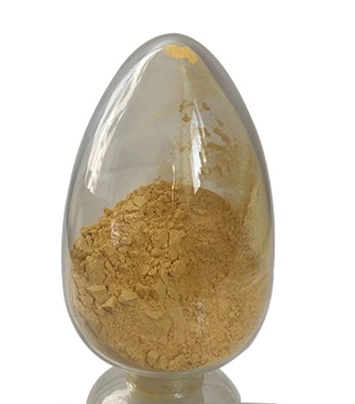
4,4'-Diphenylmethane diisocyanate: uses and Hazard
4,4'-Diphenylmethane diisocyanate is a light yellow coloured solid. It is not soluble in water. It may be toxic by ingestion, inhalation, or skin absorption.
Oct 12,2024 Organic reagents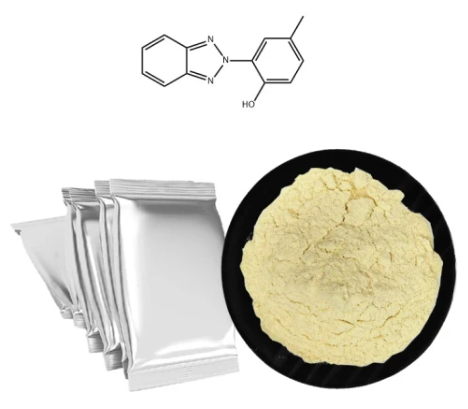
What is Drometrizole used in cosmetic
In cosmetics, drometrizole is categorized as a sunscreen ingredient and used as a UV light absorber and stabilizer.
Sep 25,2024 Organic reagents
Is Bemotrizinol safe for reefs?
esides being safe for human use, Tinosorb S is also environmentally friendly. It is considered reef-safe, which means it does not contribute to the degradation of coral reefs, a significant issue with
Sep 23,2024 Organic reagents
N,O-Bis(trimethylsilyl)acetamide: Uses and Synthesis
N, O-Bis(trimethylsilyl)acetamide (BSA) is a colourless liquid with a 71–73 °C/35 mmHg boiling point. It is extremely moisture-sensitive and can also be rapidly contaminated with trimethylsilylacetami
Sep 18,2024 Organic reagents
Benzil: Chemical property, Synthesis, and uses
Benzil is one of the eloquent organic compounds consisting of two adjacent carbonyl groups flanked by two phenyl rings.
Sep 11,2024 Organic reagents
β-lactamase detectionand typing tests-Nitrocefin test
Nitrocefin, a β-lactam molecule, is a chromogenic cephalosporin substrate used to detect the presence of beta-lactamase enzymes, an essential mediator of bacterial antibiotic resistance.
Sep 9,2024 Organic reagents