


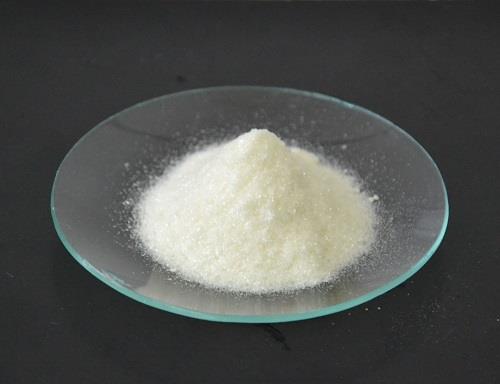
P-nitrobenzoic acid: chemical properties and applications
P-nitrobenzoic acid, commonly used as an intermediate in organic synthesis, is involved in the manufacture of a variety of chemicals and materials.
Jul 3,2024 API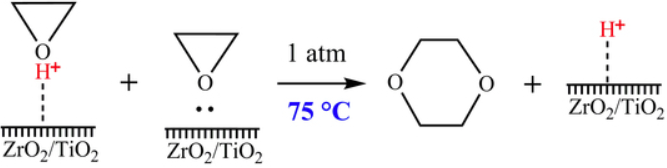
How to synthesis 1,4-Dioxane?
1,4-Dioxane, a cyclic ether first reported synthesized in 1863, poses a cancer risk when released into the air and people breathe it, but the chemical doesn't stick around in outdoor air.
Jul 2,2024 Organic Chemistry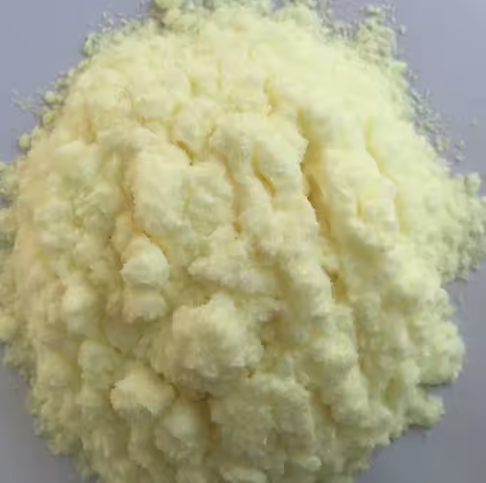
The dangers of Octabenzone.
Oxybenzone is harmful to marine wildlife species. Oxybenzone can directly enter the ocean when vacationers, swimmers, surfers, and the like use toxic sunscreen on their bodies and get in the water.
Jul 2,2024 Organic Chemistry
N,N-Diethylhydroxylamine: Applications in Enhancing Photosystem II Electron Transport and its Health Hazards
N,N-Diethylhydroxylamine enhances photosystem II electron transport, offering insights in photosynthesis but poses health risks, requiring strict handling precautions.
Jul 2,2024 API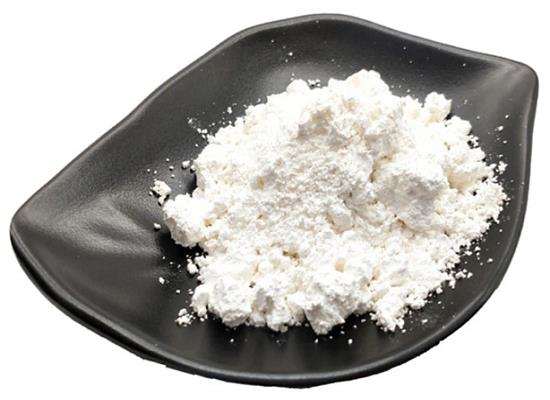
Tauroursodeoxycholic Acid: Characteristics and Therapeutic Effect on Alzheimer's Disease
Tauroursodeoxycholic acid shows promise for treating Alzheimer's by improving cognition via neuroprotective mechanisms, warranting further clinical validation for human use.
Jul 2,2024 API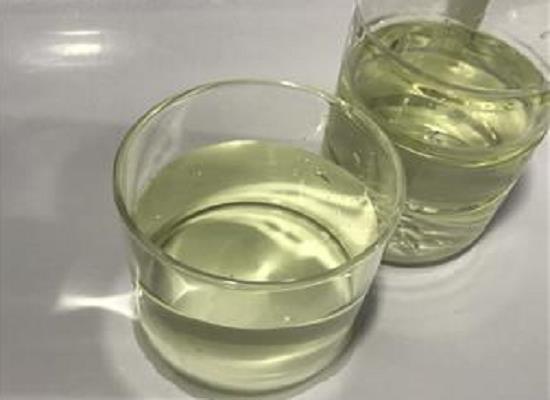
Methyl Phenylacetate: Diastereoselective Aldol Reactivity and Potential Toxicity Considerations
Methyl phenylacetate is valuable for its versatile synthesis and pleasant odor, but further research is crucial to understand its safety and potential diagnostic applications.
Jul 2,2024 API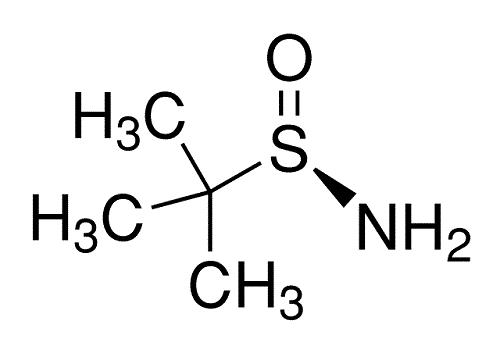
Explore (R)-(+)-2-Methyl-2-propanesulfinamide: a key role in chiral chemical synthesis
(R)-(+)-2-Methyl-2-propanesulfinamide has attracted extensive attention for its unique chemical properties and wide application prospects.
Jul 2,2024 API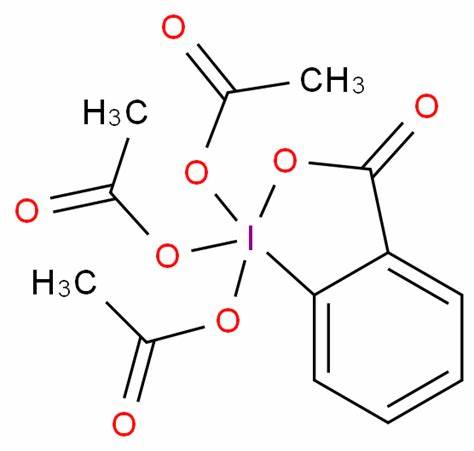
Dess-Martin periodinane: The 'magic wand' in Organic Synthesis
This paper will deeply analyze the chemical properties, synthesis methods, application scenarios and future development trends of Dess-Martin periodinane.
Jul 2,2024 API
Zinc sulfate: Exploration of the mysteries of multifunctional inorganic compounds
This paper aims to comprehensively review the properties, preparation methods, application fields, and future development trends of zinc sulfate.
Jul 2,2024 API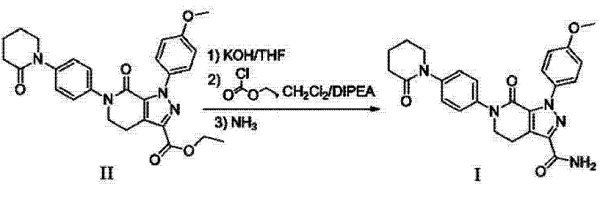
The synthesis method of Apixaban
Apixaban (BMS-562247, pM-460) is a direct selective and reversible inhibitor of FXa.
Jul 2,2024 API