


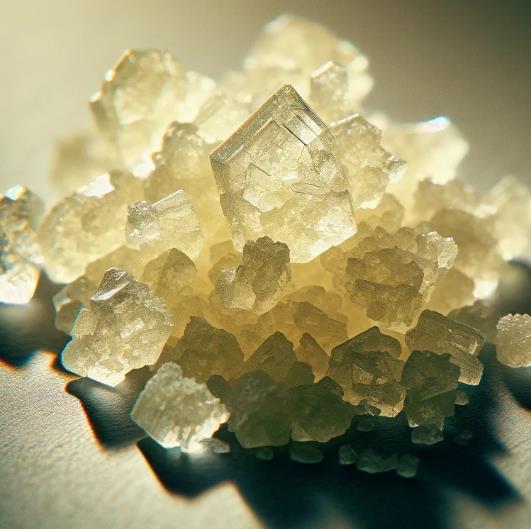
Unveiling the Versatility of 4'-Bromo-3'-methylacetophenone: A Catalyst for Innovation in Chemical Synthesis and Application
4'-Bromo-3'-methylacetophenone, a notable compound in the realm of organic chemistry, exemplifies versatility and efficacy.
May 8,2024 API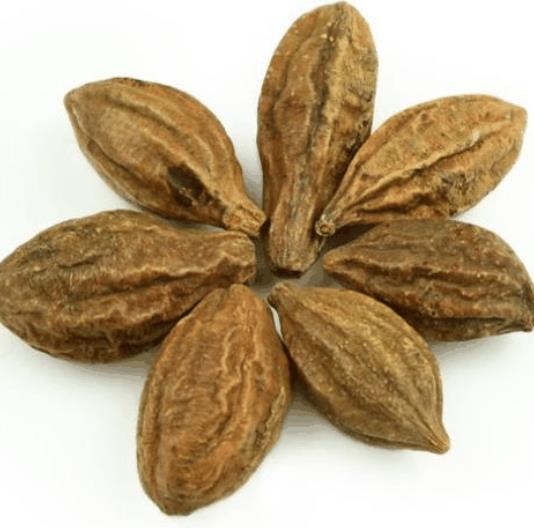
Unlocking the Potential of Chebulagic Acid: A Comprehensive Exploration for the Chemistry and Pharmaceutical Fields
In the ever-evolving landscape of pharmaceuticals and chemical research, chebulagic acid emerges as a beacon of potential and versatility.
May 8,2024 API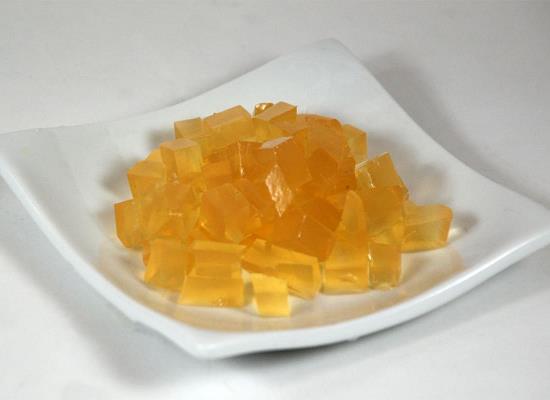
Agar Biosynthesis in Red Algae: From Monomers to Polysaccharides
The biosynthesis of agar involves galactose monomers synthesized and polymerized in the Golgi apparatus, forming polysaccharide chains with glycosidic bonds.
May 8,2024 API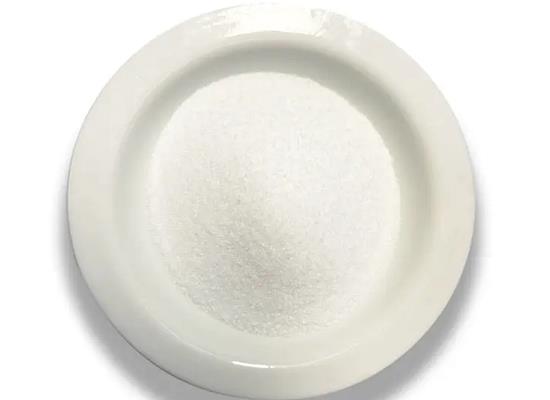
Sodium Pyruvate: A Versatile Compound Driving Advances in Biochemistry and Clinical Therapies
Sodium pyruvate is vital in biochemistry, cell culture, and clinical uses, supporting energy production, cell growth, and alleviating allergic rhinitis symptoms.
May 8,2024 API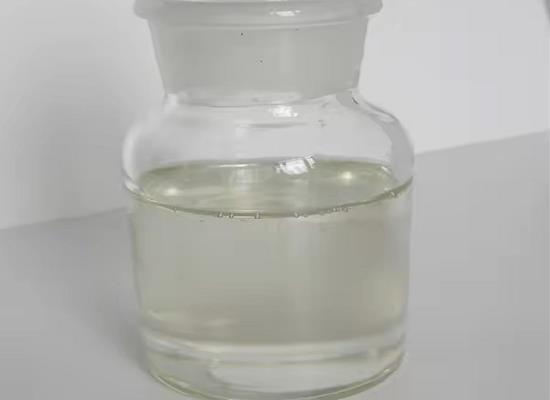
Diphenylmethane: Natural Occurrence, Activity and Preparation Method
Diphenylmethane, found in potatoes and soybeans, has therapeutic potential for insulin resistance via PPARα and PPARγ agonism, synthesized via Suzuki coupling.
May 8,2024 API
2,5-Dimethyl Pyrazine: Applications in Difluoromethylarylation and Toxicity
2,5-Dimethyl Pyrazine, utilized in food, fragrance, and pharmaceuticals, holds both utility and potential toxicity, requiring careful regulation.
May 8,2024 API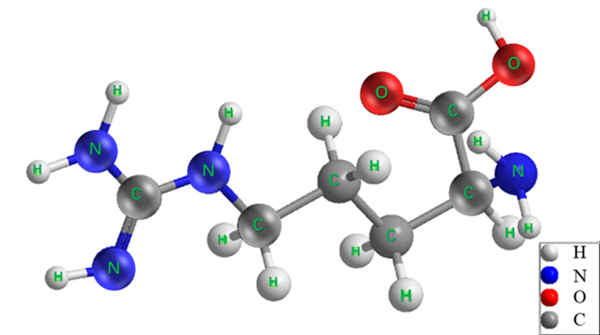
What are the benefits of L(+)-Arginine for males or females?
L(+)-Arginine (L-Arginine) is an amino acid that helps the body build proteins. Proteins are important components of the body's make-up and are involved in various aspects of life activities.
May 7,2024 Amino Acids and Proteins
Application and Research of Benzylamine
Benzylamine is an aliphatic amine compound with a strong base. It is produced by the reaction between benzyl chloride and ammonia solution.
May 7,2024 API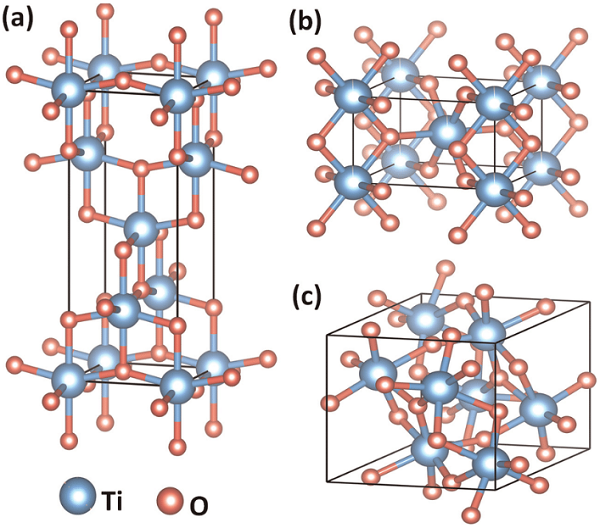
Titanium dioxide: structure and uses
Generally, the properties and performance of TiO2 depend on its crystal phase, crystallinity, morphology, surface area, etc.
May 7,2024 Inorganic chemistry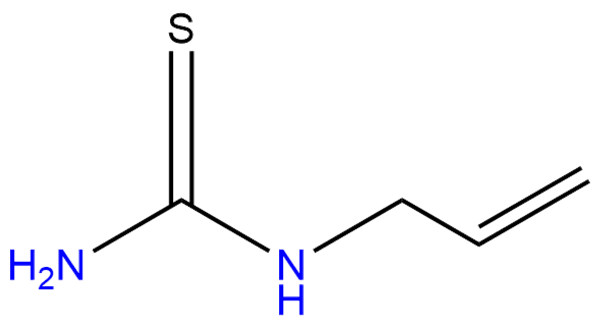
N-Allylthiourea: Uses and Chemical Reactions
N-Allylthiourea (ATU) is a white crystalline solid with a slight garlic odour. It is soluble in water and ethanol, slightly soluble in ether and insoluble in benzene.
May 7,2024 API