


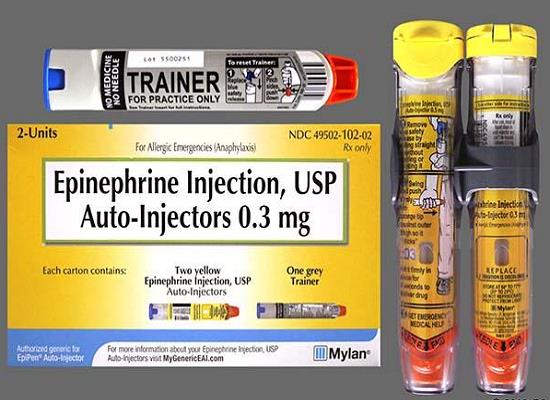
L(-)-Epinephrine: Physiological effects and clinical applications
L(-)-Epinephrine regulates blood pressure, heart rate, metabolism, and the immune system. It is used in resuscitation and anesthesia.
Aug 2,2023 API
Luteolin: mechanism of action and clinical applications
Luteolin inhibits inflammation, tumor growth, and promotes healing. It shows promise in treating skin cancer, wounds, and psoriasis.
Aug 1,2023 API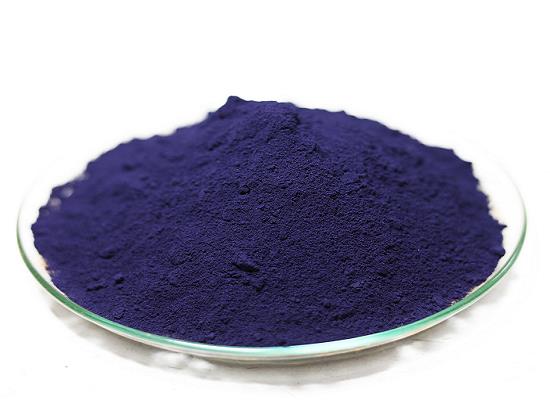
Indigo: mechanism of action and applications in psoriasis treatment
Indigo can treat psoriasis by regulating keratinocytes and inhibiting cell proliferation and differentiation. Combination therapy shows promise.
Aug 1,2023 API
Mebendazole: pharmacokinetics, applications and side effects
Mebendazole treats parasitic infections, including cerebral echinococcosis. It has potential as an anticancer drug. Side effects include gastrointestinal symptoms and rare serious effects.
Aug 1,2023 API
Cuprous bromide: exploring its versatile applications
Cuprous bromide is a versatile compound with applications in chemistry, sensors, catalysis, and more.
Aug 1,2023 API
Domperidone: mechanism of action and clinical applications in gastroenterology
Domperidone blocks dopamine receptors, helping to relieve gastrointestinal symptoms like nausea and vomiting. It is used for GERD, dyspepsia, and postoperative nausea/vomiting.
Aug 1,2023 API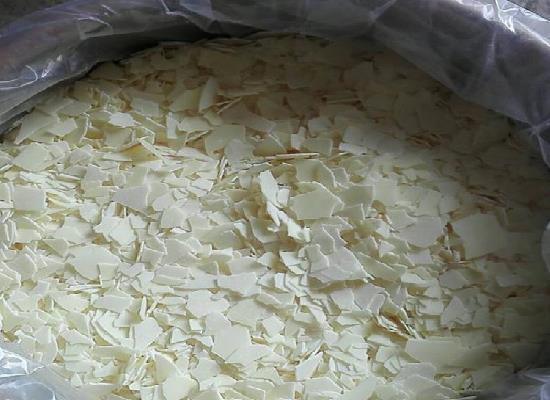
Veratraldehyde: properties, applications and safety
Veratraldehyde is a colorless solid and can react with compounds, forms new organic compounds with potential as antitumor and antibacterial agent; caution regarding toxicity.
Jul 31,2023 API
3-Aminopropyltriethoxysilane: deposition methods and biosensing applications
3-Aminopropyltriethoxysilane enhances oxidized surface biocompatibility and sensing. Solution or gas phase deposition methods are employed, immobilizing biomolecules and reducing adsorption.
Jul 31,2023 API
Fluoroboric acid: properties, applications and safety
Fluoroboric acid is a strong Lewis acid, forms stable complexes, used in dental implants and PZT etching. However, corrosive and requires caution.
Jul 31,2023 API
Agar oligosaccharides: preparation, bioactivities and applications
Agar-derived agar oligosaccharides have diverse structures and bioactivities. They are prepared under different conditions and can be used in various fields.
Jul 28,2023 API